
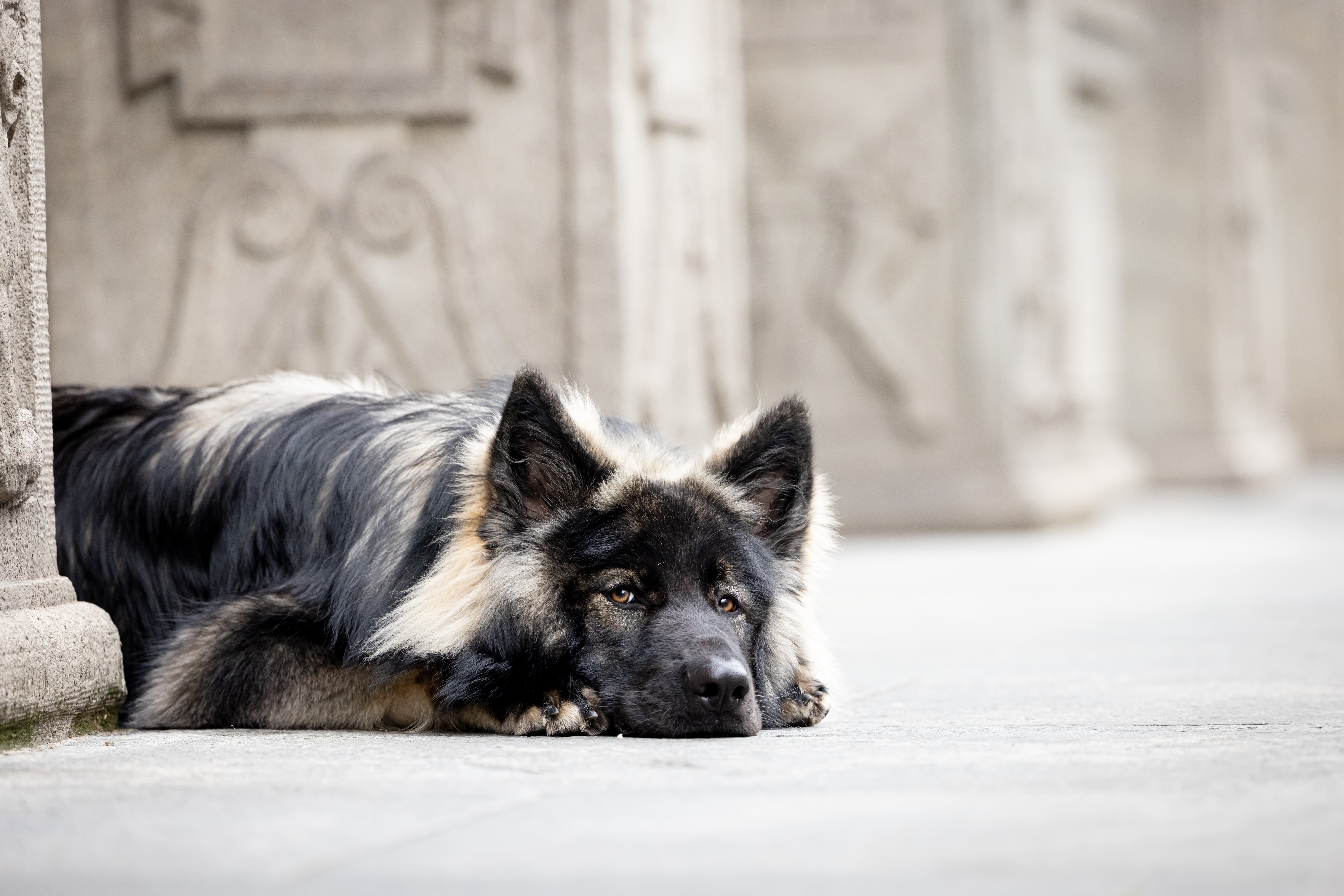
What to Wear for Dog Photography Sessions: Simple Wardrobe Choices That Create Better Portrait
Great dog portraits are built on balance. Most people naturally think first about getting their dog ready—freshly groomed, brushed, and looking their best—but what you wear matters just as much. Clothing shapes the mood of the image, affects how polished the final portraits feel, and helps create photographs that still look beautiful years from now.
The goal is not to dress to impress. The goal is to choose clothing that supports the portrait and allows the connection between you and your dog to remain the true center of attention.
Start by Thinking About the Feeling You Want the Photos to Have
Before choosing colors or outfits, think about the atmosphere you want your session to create. If your portraits are meant to feel relaxed and natural, soft fabrics and easy, comfortable clothing work beautifully. A studio session or a more formal setting may call for cleaner lines and more polished pieces. For playful outdoor portraits, relaxed clothing that moves easily often feels most natural.
What you wear should help tell the story of your relationship with your dog, not distract from it.
Fabric Makes a Bigger Difference Than Most People Expect
In photographs, texture often matters more than pattern. Natural fabrics like cotton, linen, denim, soft knits, and wool tend to photograph beautifully because they add depth without pulling attention away from the subject.
Shiny fabrics, stiff materials, or anything overly reflective can catch light in awkward ways and create distractions in the frame. Softer matte fabrics almost always create a more flattering and timeless look.
Texture brings warmth and richness to portraits without overwhelming them.
Wear Something You Can Move In Comfortably
Dog sessions are active by nature. You may be sitting on the ground, kneeling beside your dog, walking together, or leaning in for close moments. Clothing that feels too tight, stiff, or delicate quickly becomes uncomfortable.
When you feel comfortable, your posture relaxes, your expressions become more natural, and the portraits feel effortless. That ease shows in every image.
If you have to keep adjusting your clothes during the session, it becomes visible in the final photographs.
Avoid Clothes That Feel Too Trendy
Fashion trends come and go quickly, but portraits are meant to last. Pieces that are overly trendy can make photographs feel dated sooner than expected.
Simple, classic choices usually age best:
•Clean shapes
•Soft, balanced colors
•Minimal embellishments
•Timeless cuts
The strongest portraits are the ones that still feel relevant and elegant many years later.
Keep Accessories Simple
Accessories should complement the portrait, not compete with it. Large statement jewelry, oversized scarves, bold handbags, or anything visually dominant can easily pull attention away from the connection between you and your dog.
A simple necklace, understated earrings, or a subtle layer is often all that is needed. In portrait photography, less is usually more.
Think Beyond Appearance: Practical Details Matter Too
Beautiful clothing also needs to work in real life. Dark fabrics may attract visible dog hair. Linen wrinkles easily. Shoes need to suit the location, especially if your session is outdoors in grass, sand, or uneven terrain.
It helps to think ahead about how your outfit will behave during an active session—not just how it looks standing still.
Practical choices make the experience smoother and help you stay focused on enjoying the moment.
Your Dog’s Size Can Influence What Works Best
The size of your dog changes how clothing appears in the frame. If your dog is very small, oversized clothing can overpower the portrait. If your dog is large, structured or well-shaped clothing often creates better balance and proportion.
The goal is visual harmony between both subjects in the image.
Sometimes Shape Matters More Than Color
Color is important, but shape matters too. If your dog has a thick, fluffy coat, simple streamlined clothing often creates a cleaner balance. If your dog has a sleek short coat, softer layers and textured fabrics can add warmth and dimension.
These small choices help create portraits that feel naturally balanced and visually calm.
The Best Outfit Is One People Barely Notice
In the strongest portraits, clothing quietly supports the image without drawing attention to itself. Viewers should notice emotion first—the expression in your dog’s eyes, the way you look at each other, the sense of connection—not the outfit you chose.
That is when wardrobe has done its job well.
Beautiful dog portraits are never really about fashion. They are about preserving the bond you share, in a way that feels honest, natural, and lasting.
That is why I guide every client through wardrobe planning before their session, so each choice feels thoughtful, comfortable, and perfectly suited to both dog and setting.